On Writing, The Entelodont’s Skull and The Trials of Tricia Blake

Winners of Page Turner Awards for Best Genre Winner (Young Adult) and a Writing Award for Best Written Genre (Children’s Chapter Books), 2024

As a kid, I had a box crammed full of hoof-oil-stained red, blue, and yellow rosettes, a few shiny cups and an envelope stuffed with prize money from horse shows and gymkhanas. I also won twenty quid for the high-flying ‘Best Waitress’ prize in Pizzaland in Leicester when I was about 14 (before being sacked for being underage). More prestigious was the Georgette Donchin Memorial Prize for an essay on Dostoevsky when I was studying Russian at university. Other than that, I’ve not won much else. The fish from the fair always died.

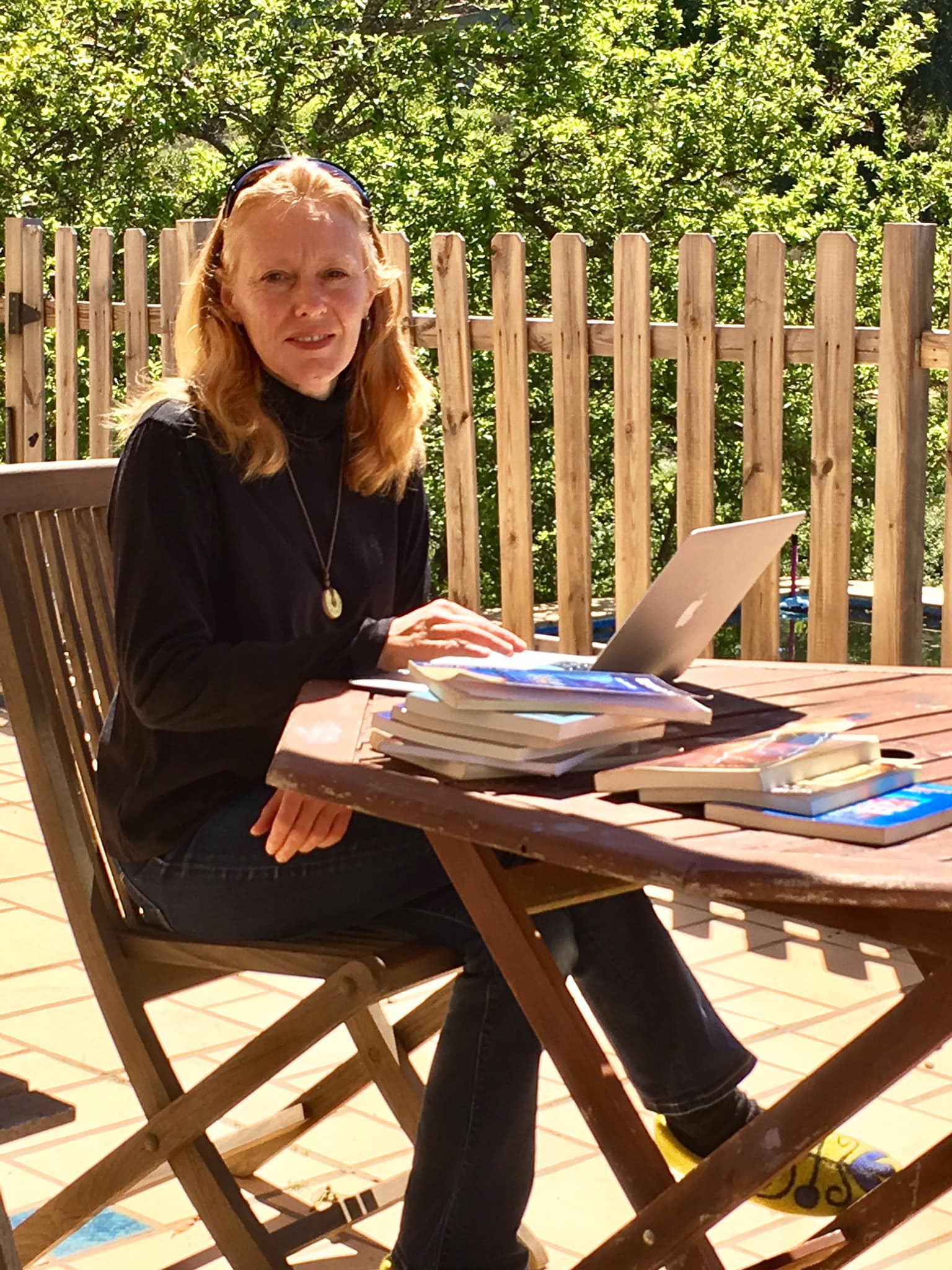
Writing can be a thankless task. We write because we love it and often hate it. It is an expression of art, an expression of us. Like painting, it can reflect the world around us and/or the world within us. Unlike painting, it can take months. Even years. Even longer. Some people write because they want to make sense of the world we live in or have lived in; others do so to make sense of themselves and their lives, past, present, and future. Or others’ lives. Whichever, it is a lonely journey and one that is often not recognised. Are we wasting our time? Self-doubt is a constant companion to writers. There are more than enough books in the world. But we keep on writing because that is what we do. And so we should because each voice and each life is unique.

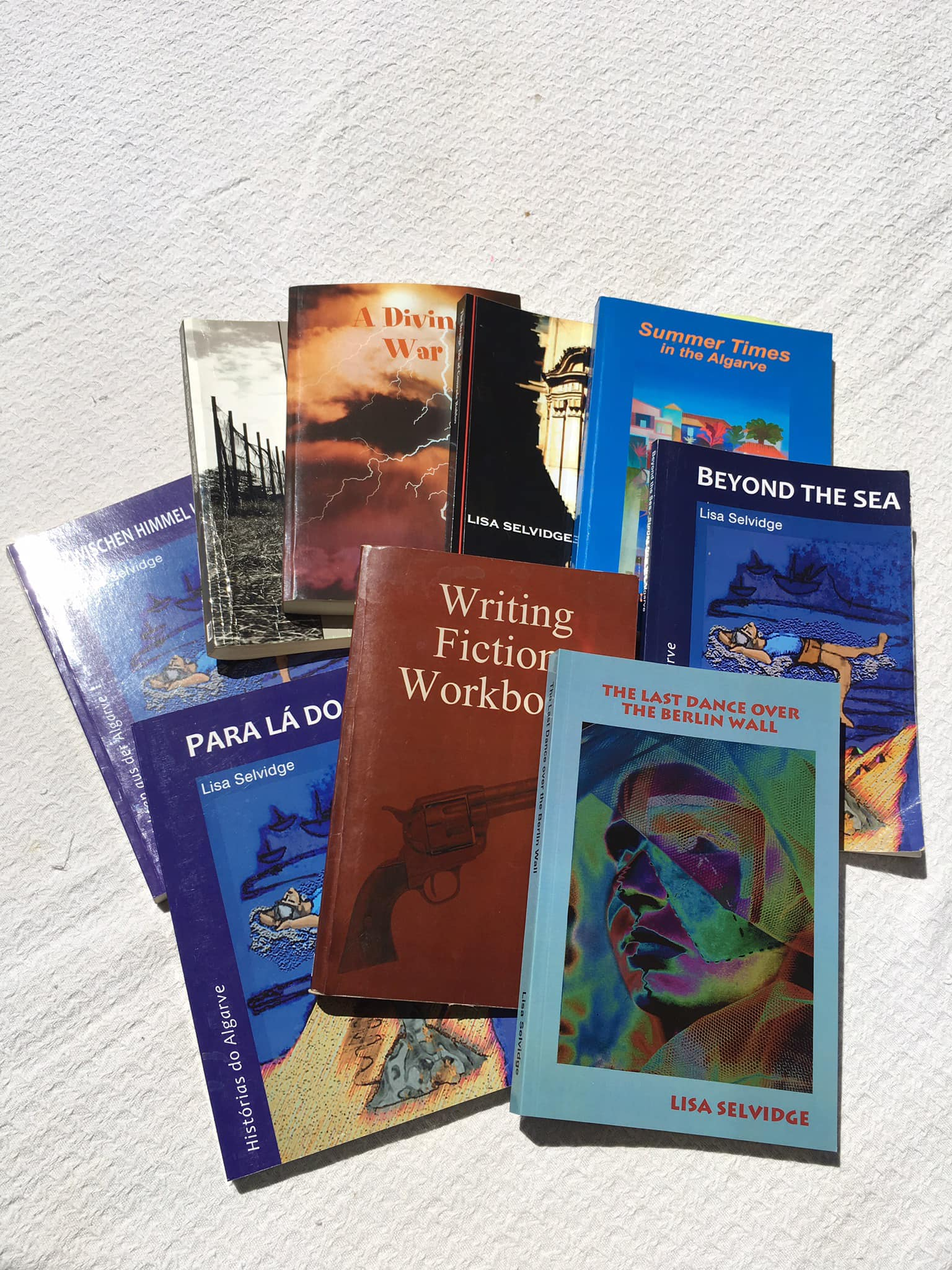
Every so often, but not often enough, I send work to writing competitions, and sometimes I get nice feedback, but I have never received an award, or won. Back in the last century, I had an agent, and she used to submit my manuscripts to the big publishers, but we never had any luck. The Trials of Tricia Blake was hummed and hawed upon but finally rejected. The same with A Divine War. The Strange Tale of Comrade Rublov was about to be published by Hollow Hills, but the company decided to close its doors on the day of publication. That was when I decided to set up my own publishing company. But publishing was harder than I thought, and after several years, Montanha Books and I suffered the same fate as Hollow Hills. But I keep writing because that is what I do.

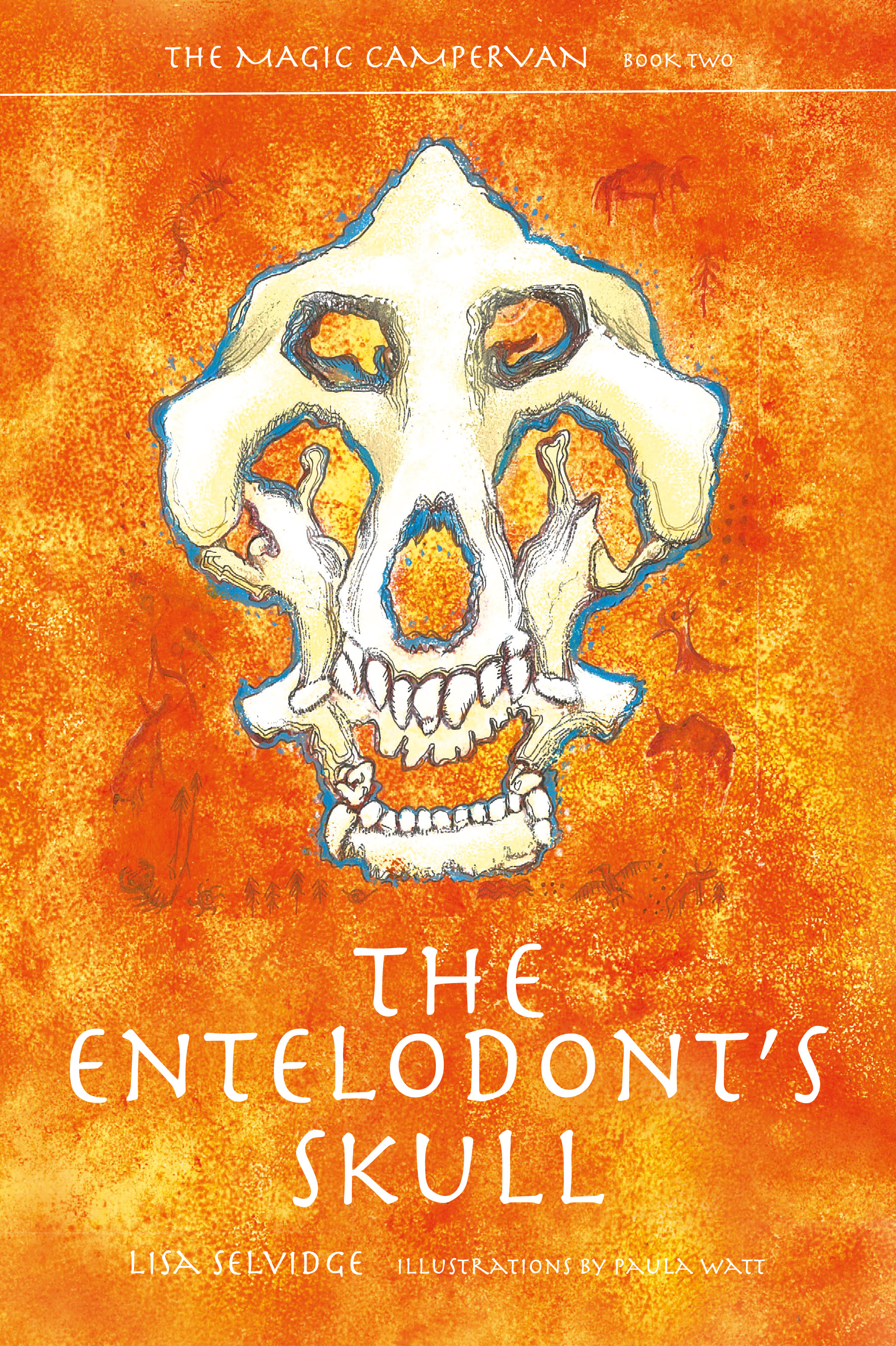
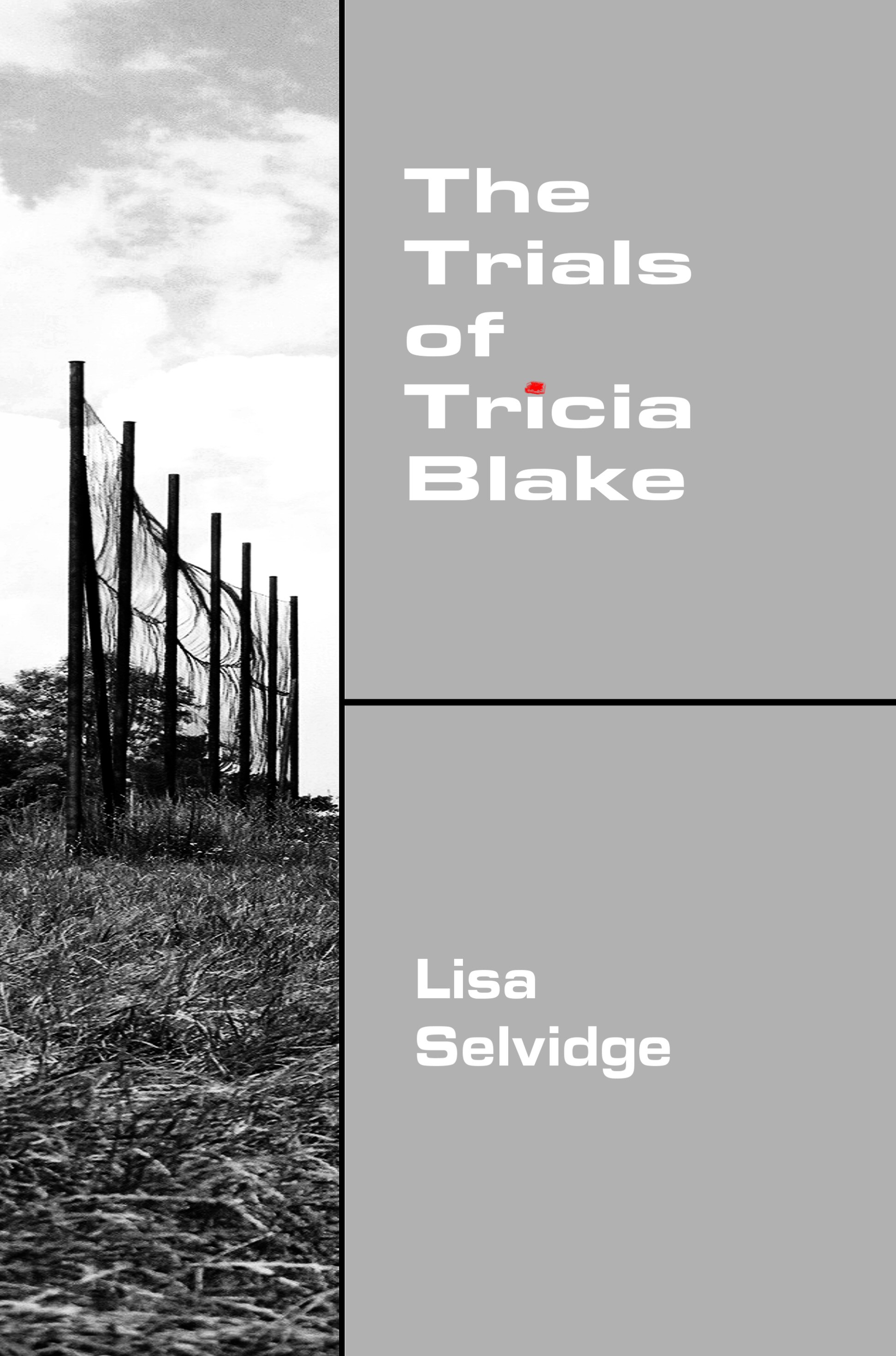
I can’t remember how I came across the Page Turner Awards, but I entered last year and, as far as I know, didn’t win anything. This year, I tried again with different books. It is a hefty entry fee, and I was a little dubious, but last week, I received notification that I had won the Young Adult Genre Book Award for The Trials of Tricia Blake and the Genre Winner Writing Award for Children’s Chapter Books for my still unpublished The Entelodont’s Skull, Book 2, The Magic Campervan. I’m not sure how amazing it is—it is certainly not the Booker or the Bridport and the fact is l won more as the best waitress—but does it matter, I wonder? They are a business, so is publishing, and my work was read and enjoyed by judges and other writers. That is great. What is amazing is that The Trials of Tricia Blake was almost my first novel (‘almost’ because I started it soon after being sacked from Pizzaland and finished it some fifteen years later after completing my MA), and The Entelodont’s Skull is my latest. Tricia Blake is gritty realism, and The Magic Campervan Books are, well, magic, but there is realism in the magic—more realist magic than magic realism. Books written thirty years apart have, in however small a way, both been recognised. My self-doubting companion can shut up for a while.

As a friend said to me yesterday, an award is an award. In a world that can be thankless, I am today thankful.

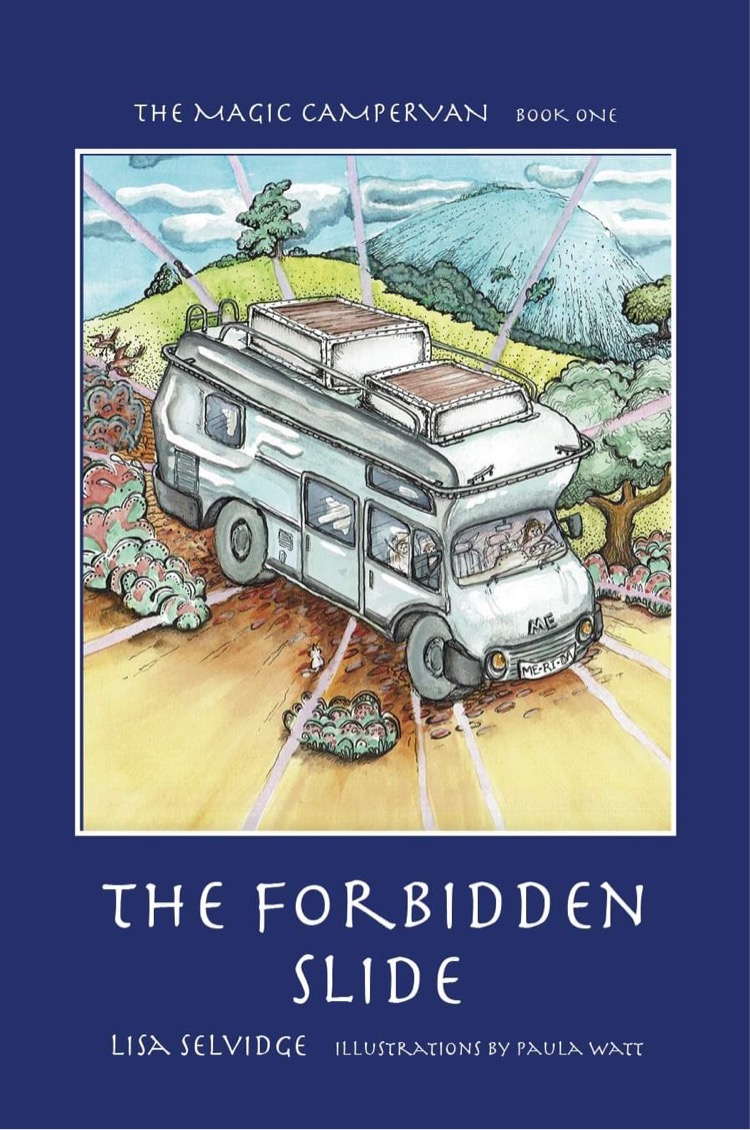
Since writing this, The Magic Campervan, Book 1, The Forbidden Slide is also a Finalist in the Global Book Award 2024 for Children’s General Fiction. Roll on Book 3!
An English Immigrant: Twenty Years in the Monchique Mountains

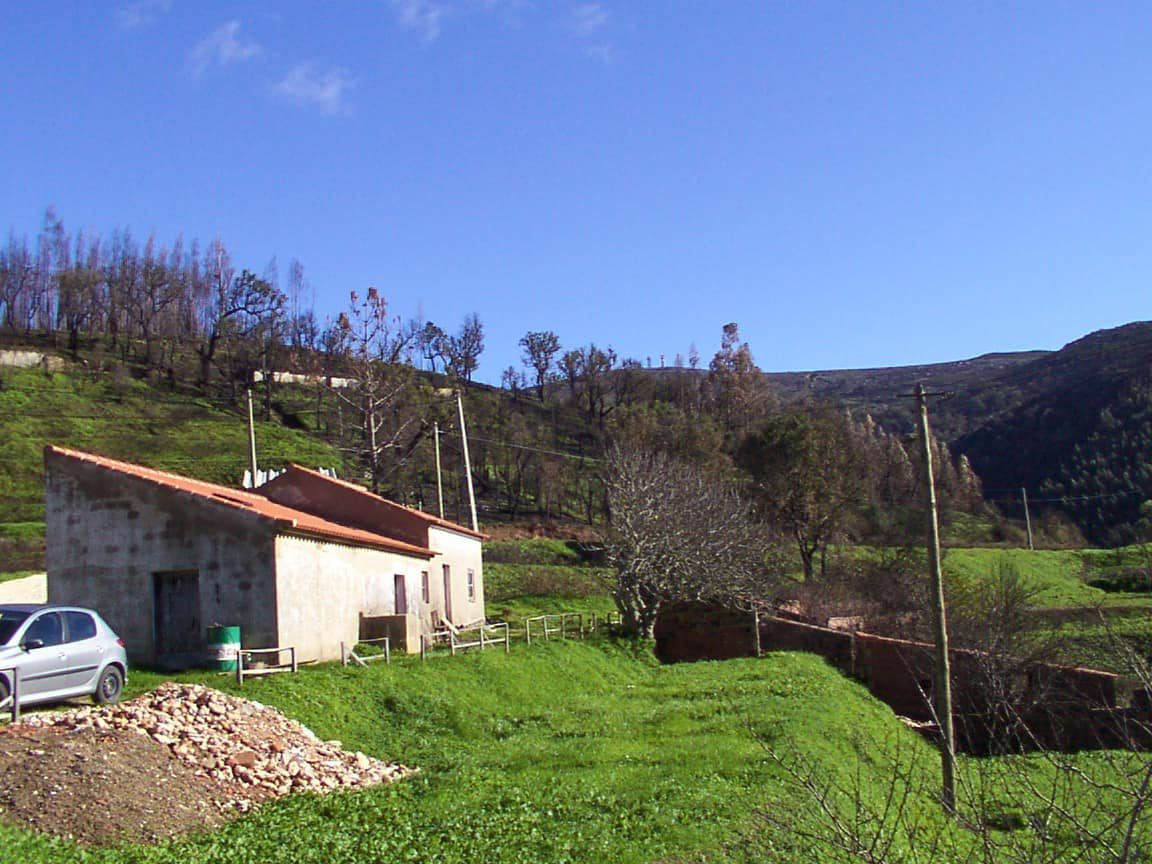
Sometime this week – I can’t remember exactly when as it was before Facebook, before even iPads and iPhones, and way way before TikTok but sometime this week – twenty years ago, my then partner and I left the UK and drove to Portugal. We argued so much that the head gasket blew on the jeep. But roll forward twenty years and I am still here in the Monchique mountains, living in the same house, on the same mountain. So much of my life is engraved in this hamlet. I have run workshops, written books, and hosted parties. My son,Leo, now nearly twelve, has grown up here.

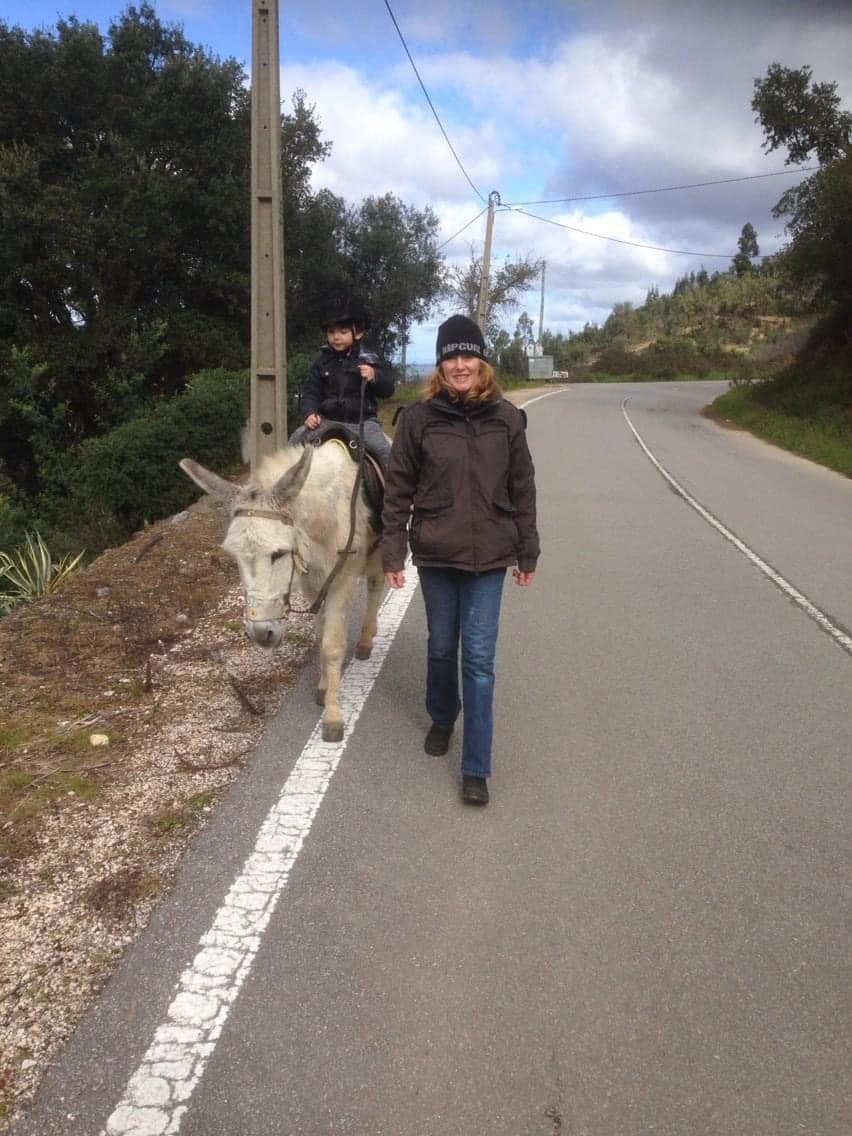
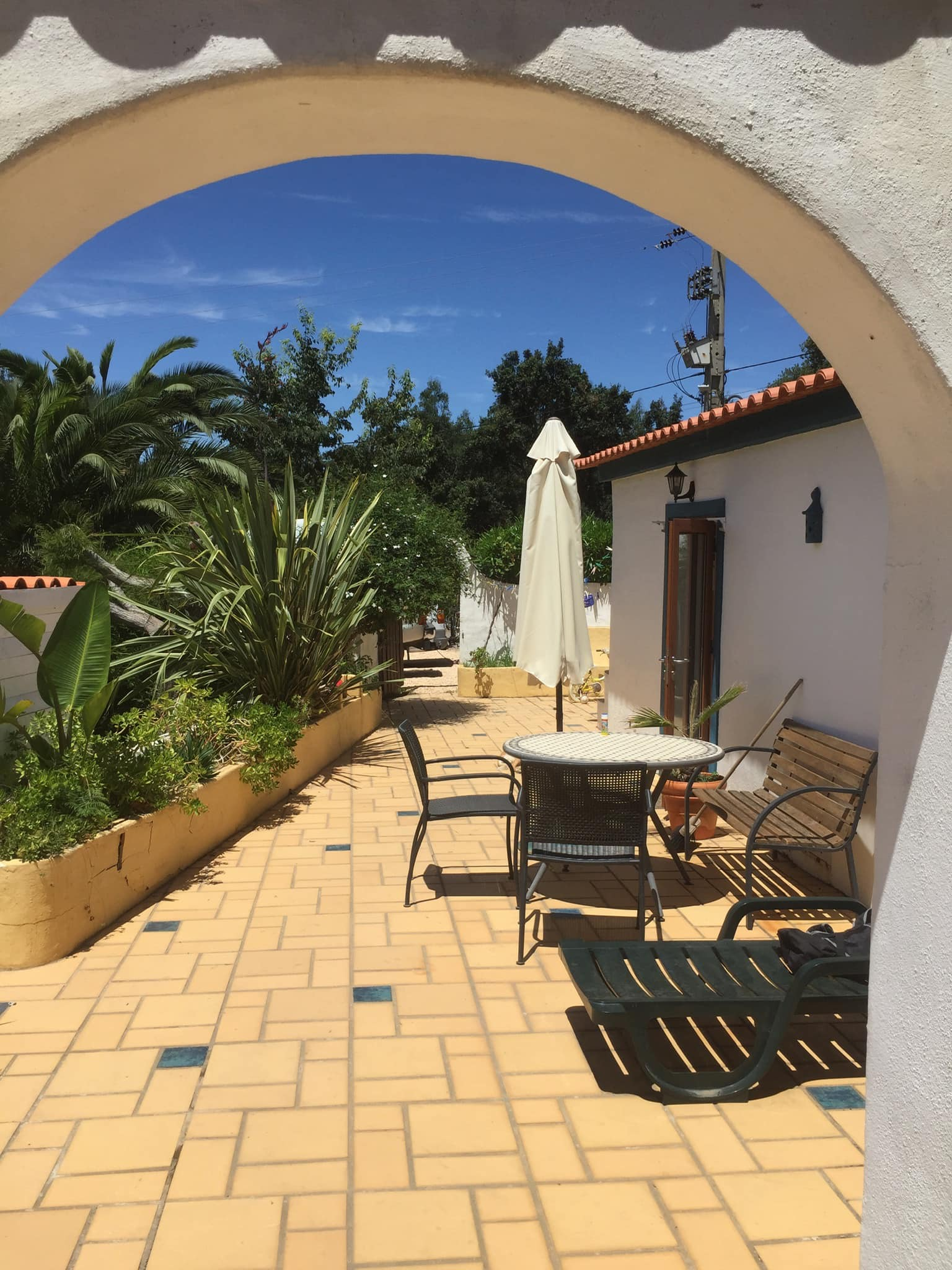
The house has had many incarnations from a writer’s retreat to a mini-adventure park complete with zip line, and it has been home to many people and animals. My two beautiful cats, Gwen and Stuart, passed away last summer after living here all of their eighteen years (born together and died together on the same day), our donkey, Chipeto/Potl is also buried on the land. Shat, the cat, who journeyed 18km from Nave, Monchique to come back to us (after I tried to give him to a friend), died peacefully under a bush in the garden and our kind and loyal dog, Estrela, went back to the stars last year. These days our little world consists of our two ponies and Hayley – and our small community of amazing neighbours.

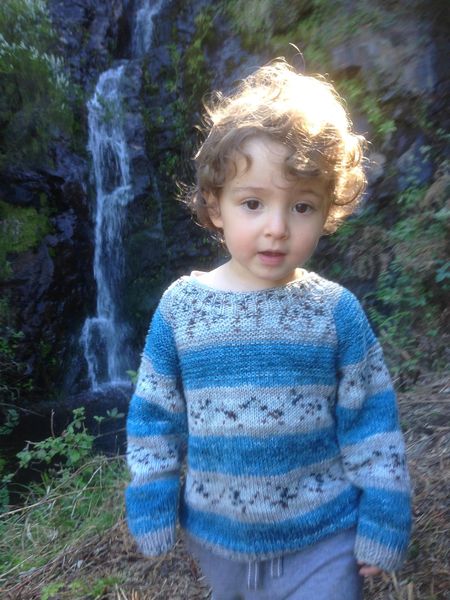
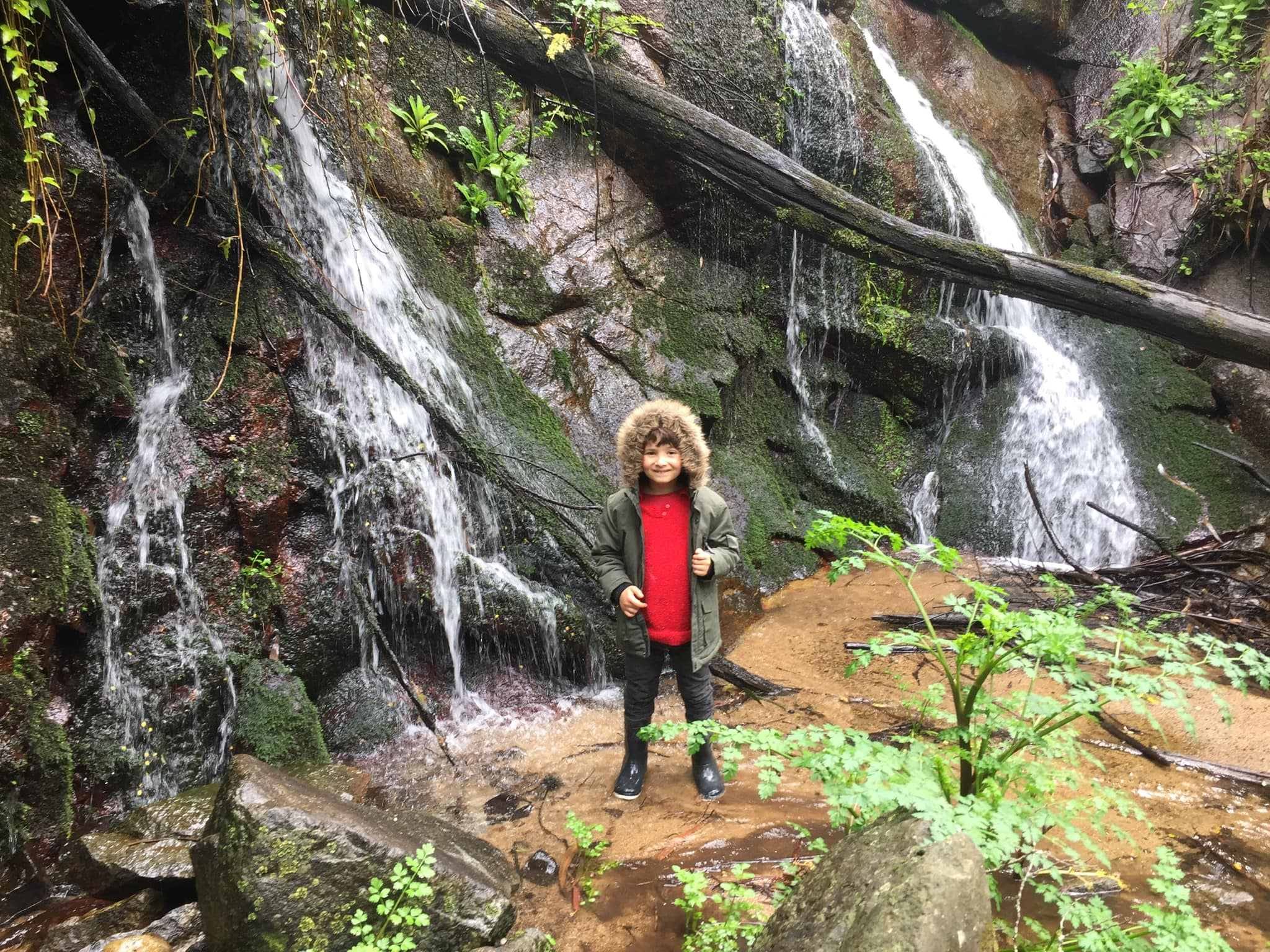
Life in the mountains isn’t always easy, especially when my son was little. Practical things such as having no water meant stomping up the two-kilometre mountain track to the waterfall to find where the pipe had burst. No internet would mean an hour’s pacing while trying to get through to MEO while my students waited patiently online and my son’s nap finished. When Leo was younger we had no little neighbours to play so we were often on our own. But many older neighbours both helped and inspired me. Dona Maria became ‘The Big Doll’ in Beyond the Sea – Stories from the Algarve – and used to bring me the best vegetable stew. Paulino first showed us how to make medronho in a smoking pig shed, and his wife, Delfina, would sometimes look after Leo before he went to school when I needed to teach online/try to get through to MEO. Leo used to feed the pig, pick fruit and make migas with them. Sadly, Paulino passed away on my 50th birthday and Delfina moved away. Their farm, once the pride of the area, is now in ruins.

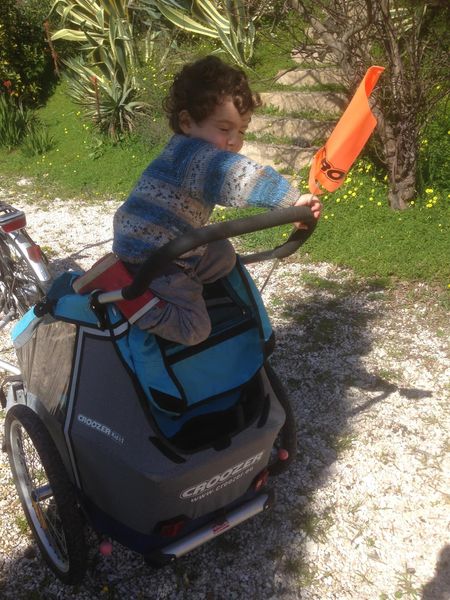
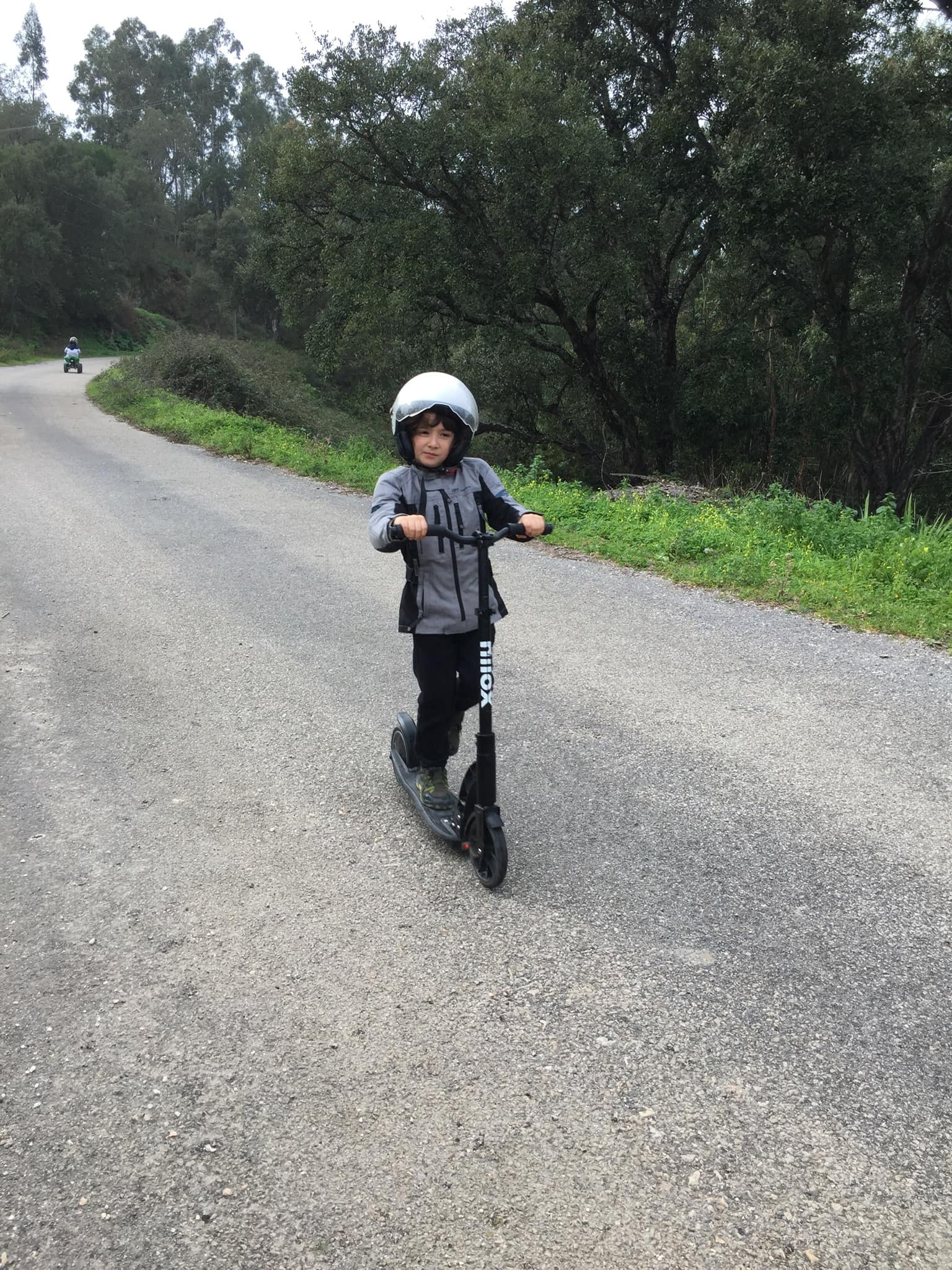
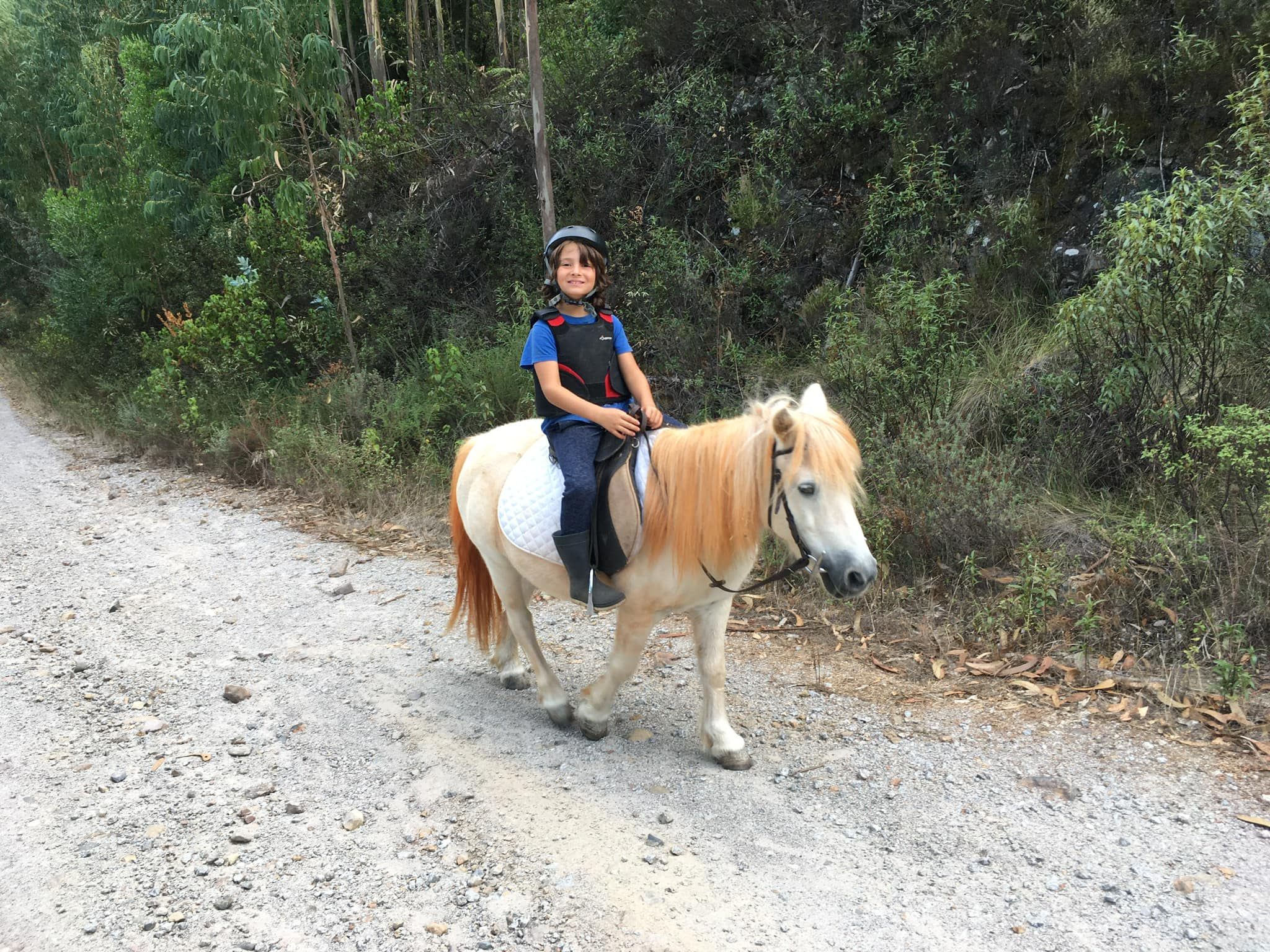
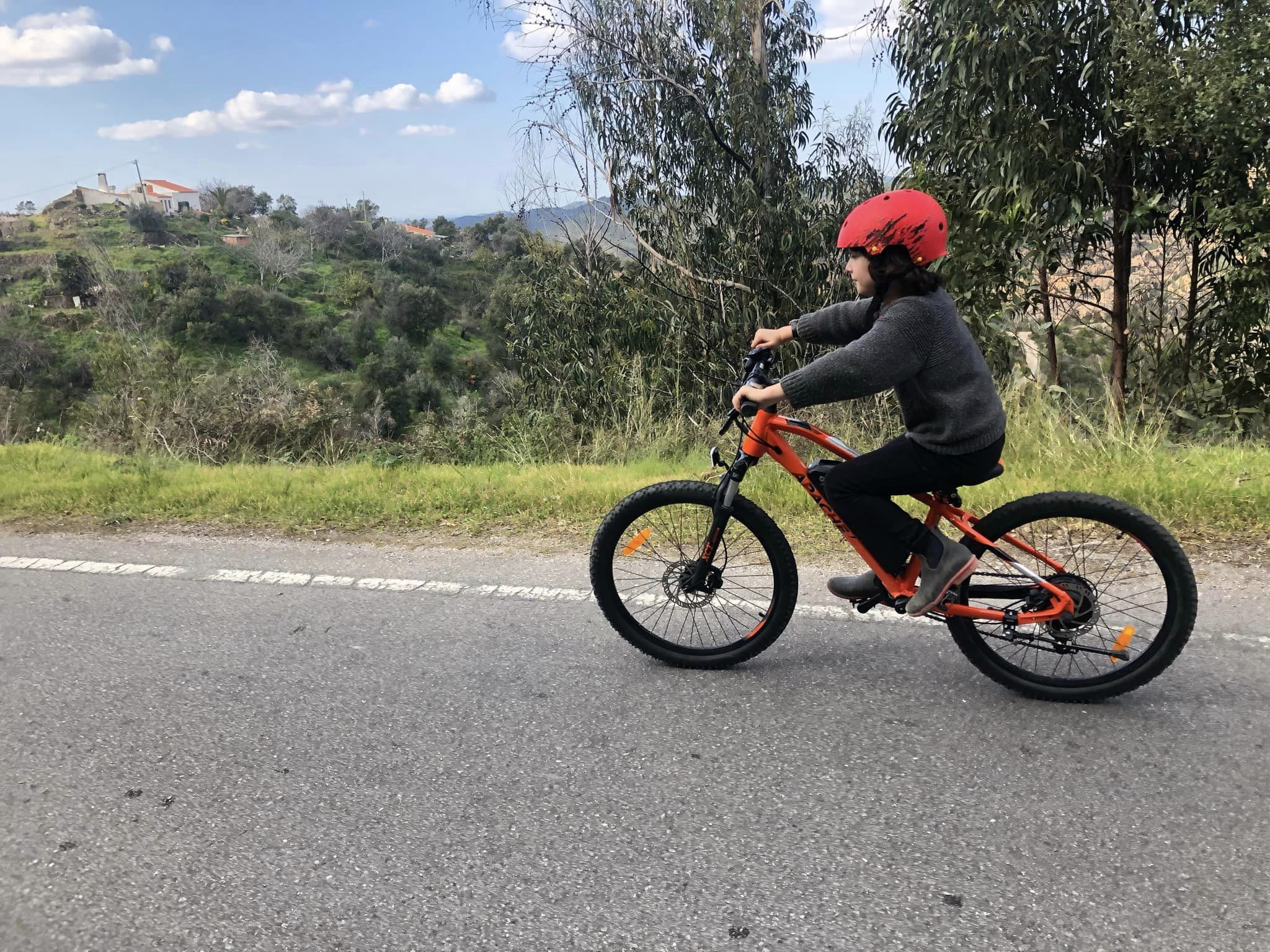
School has been perhaps the biggest mountain to climb. The kindergarten and primary school in Marmelete was housed in an ugly unpainted concrete block with a leaking roof and windows that fell out (now renovated), but it had a large outdoor space and a climbing frame with ropes and slides. There were only seven kids in the nursery/kindergarten and seven in the primary school the first year Leo went. I often used to meet Leo on my electric bike and cycle home with him nodding off in the trailer, or when he was older, on Winnie, my pony, and he would gallop up and over the mountains on the off-road track. I will be forever grateful to Dona Almarinda for providing stability in a school with ever-changing teachers, Covid and building work. Leo was there for seven years and, each year, there was a different teacher, always kind and professional, but different.

The move to the ‘Big School’ in Monchique was seismic. A secondary school equivalent, complete with bullying and social trauma, at the tender age of just-turned ten. The teaching is black/whiteboard and text-book centred with little scope for creative learning and neurodiversity. All the kids are focused on passing numerous tests each term and the threat of failure and having to repeat a year looms like a noose about to hook their necks. The emphasis is weighted towards punishment rather than reward – and there are few opportunities for sports and clubs. The teachers do care but the system fails to inspire. Instead, the kids glue their eyes to their phones whenever they can and get their hit of dopamine from TikTok. School has not instilled a love of learning and books – at least, not in my son but maybe that’s just him.

I dislike TikTok. At least, I dislike what my son watches. Fck this. Fck you. Fck shit. Bitch. Woman. I try to control time and content but it’s hard when they are allowed phones at school and can open their own accounts in less time than it takes me to find the app. But, last week, he wanted me to make a video so, with his help, I posted one of skiing in Sierra Nevada. Then I decided maybe the platform itself wasn’t so bad, and I thought I could perhaps use it to promote books and reading. I made a video of books and posted it. Three seconds later, I got a WhatsApp from Leo.

‘That’s a shit video. Take it down.’

‘Why?’

‘TikTok is to enjoy, not for that shit.’

If there is one thing I could change, it would be to live in a place with a more creatively engaging school – project-based rather than test-test-test. There are such schools but they are not recognised by the Ministry of Education. But maybe it wouldn’t make any difference. Some of us are designed to hate whatever school. At least the kids here can study, regardless of background. All kids are provided with free transport, even those who live off the beaten track, and the textbooks are mostly free. Laptops and mobile internet dongles are provided for those who need them – so that they can watch TikTok even in the school van.

I have Portuguese nationality but I know I won’t ever be 100 percent Portuguese. Not just because I hate bacalhau and still cannot pronounce ‘euro’ (!) but it is something deeper than that. It has something to do with the silence, the acceptance – and the fact that the kids who study Catholicism get to go to Slide n Splash. Maybe it is a hand-me-down from Salazar – the fear of speaking out. Maybe it is just a cultural difference. I am conscious that my son and I don’t have a shared childhood. He doesn’t know what hockey, netball and cricket are. He’s hardly heard of the BBC, let alone Fawlty Towers or The Young Ones, Father Ted, Only Fools and Horses… English delicacies like hot custard and jam roly-poly have bypassed him.

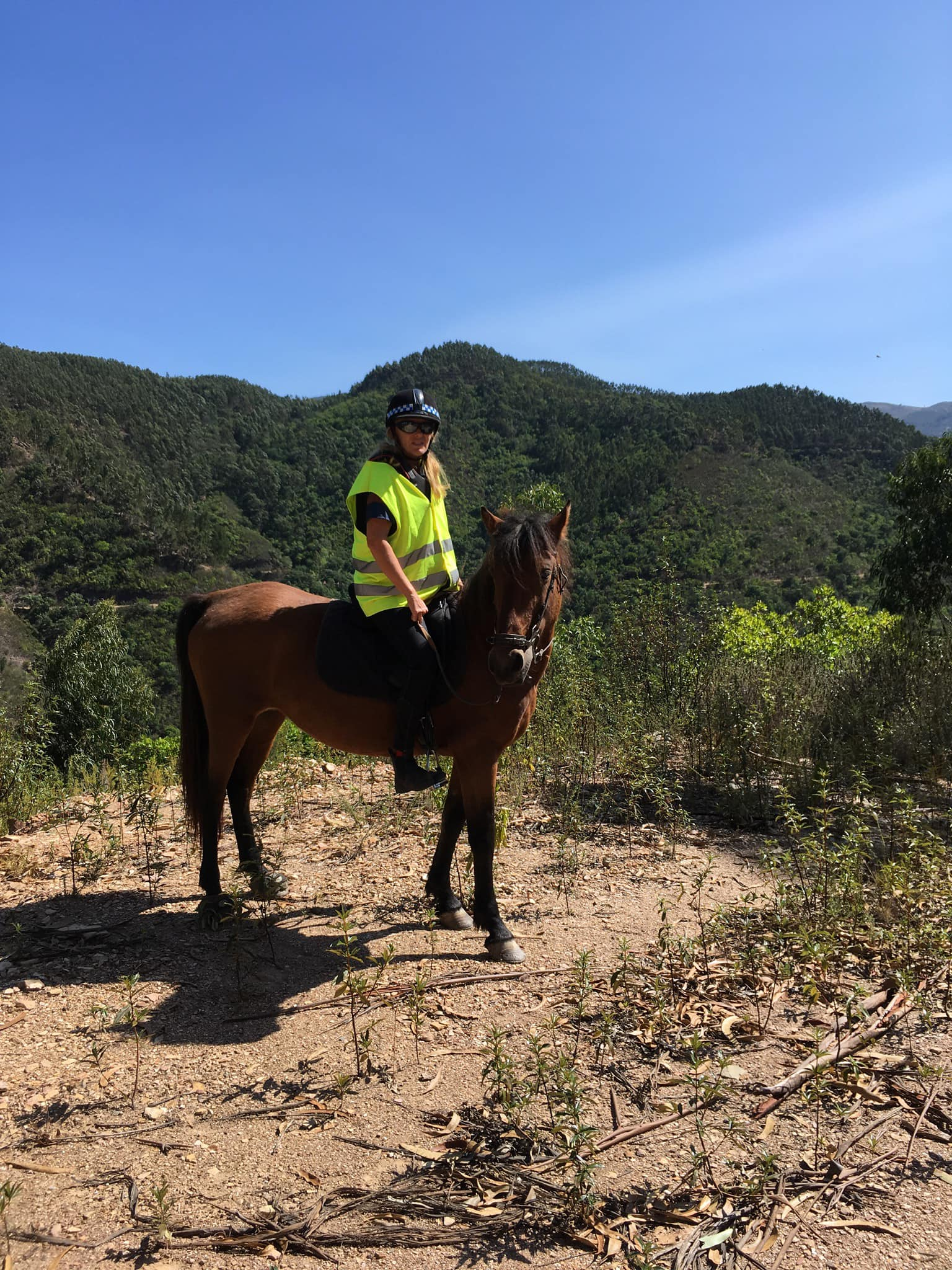
But the silence and the acceptance are also the great things about this country. People of all nationalities are allowed to be. Even this mountain is flowering with different languages, as well as ‘estevas’ (gum cistus) and lavender. And to be alone and in peace in this busy, war-torn and tit-for-tat world is priceless. I can ride around these mountains on my pony or bike for hours and only see butterflies and hear birdsong. Twenty years on, this English immigrant considers herself very fortunate to be here. I never liked jam roly-poly anyway.

Thank you, Portugal, for having me.

Leo’s TikTok accounts:

critinga

Lemontech23